Compare the substrate and the soil first
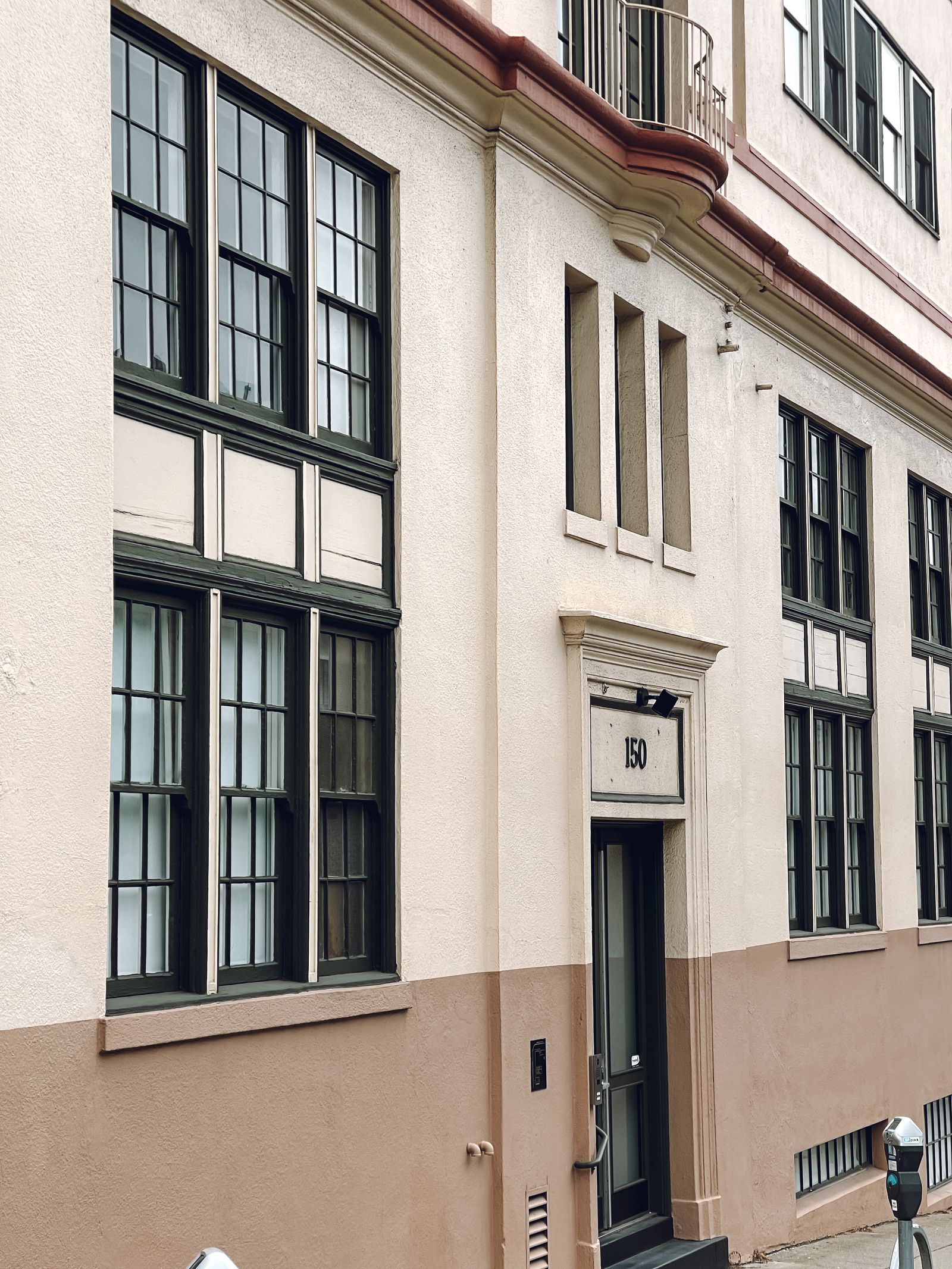
Brick, mortar, concrete, precast, stucco, EIFS, painted metal, storefront glass, stone, coatings, sealants, and architectural details do not have the same tolerance or cleaning requirement. Soft washing may address compatible organic growth, pollen film, bird residue, and some atmospheric soil with an appropriate product, dwell, rinse, and protection plan. Pressure may be useful on selected durable concrete or hardscape when the surface condition, nozzle, distance, flow, and surrounding property support it. Neither method automatically fits every facade.
A visible mark may be algae-like growth, pollen, dust, traffic film, mineral scale, oxidation, rust, soot, irrigation residue, efflorescence, coating failure, or a repeat water path. A pressure rinse may move loose soil while leaving minerals or oxidation. A soft wash may improve organic film while leaving bonded deposits or damaged coating visible. A test area and dry-down review help identify the likely condition and establish what improvement is reasonable before the full scope is priced.
- Match the method to the substrate, coating, joint condition, deposit, and requested finish.
- Treat organic film, minerals, oxidation, exhaust, dust, and water stains as different problems.
- Use a test area where finish history, repair patches, or stain cause is uncertain.
- Separate restoration, glass polishing, leak diagnosis, and repairs from routine washing.
Soft washing can suit some Murfreesboro facade conditions
Soft washing can be a reasonable option for compatible organic growth and atmospheric film on selected walls when chemistry, dwell time, rinse pressure, and protection are controlled. Humidity, shade, pollen, and rain can contribute to discoloration on recessed entrances, north-facing walls, parapets, canopies, and landscaping-adjacent surfaces. A lower-pressure rinse may reduce unnecessary mechanical force on a compatible facade, but the phrase low pressure does not describe the entire process or guarantee a safe result.
Chemistry still needs a compatibility review. It may affect plants, metals, glazing, sealants, coatings, painted surfaces, equipment, and runoff. Hot sun can change evaporation and dwell. Wind can carry mist toward a tenant entrance or vehicle. An occupied building adds air-intake protection, accessible-route planning, barriers, spotters, and a schedule that allows the area to be handed back dry and usable. A good proposal explains product approach, test area, dwell, rinse, protection, and limitations.
Downtown storefronts and Medical Center Parkway properties may favor a phased soft-wash scope for selected facade zones where pedestrian and patient movement must continue. Stones River Mall-area retail may need a customer-facing elevation and tenant frontage sequence. MTSU-adjacent sites may need planning around student and event traffic. These are operating contexts, not claims of university, medical, mall, or other contracts. The named property remains the basis for the recommendation.
Pressure washing has a narrower but useful role
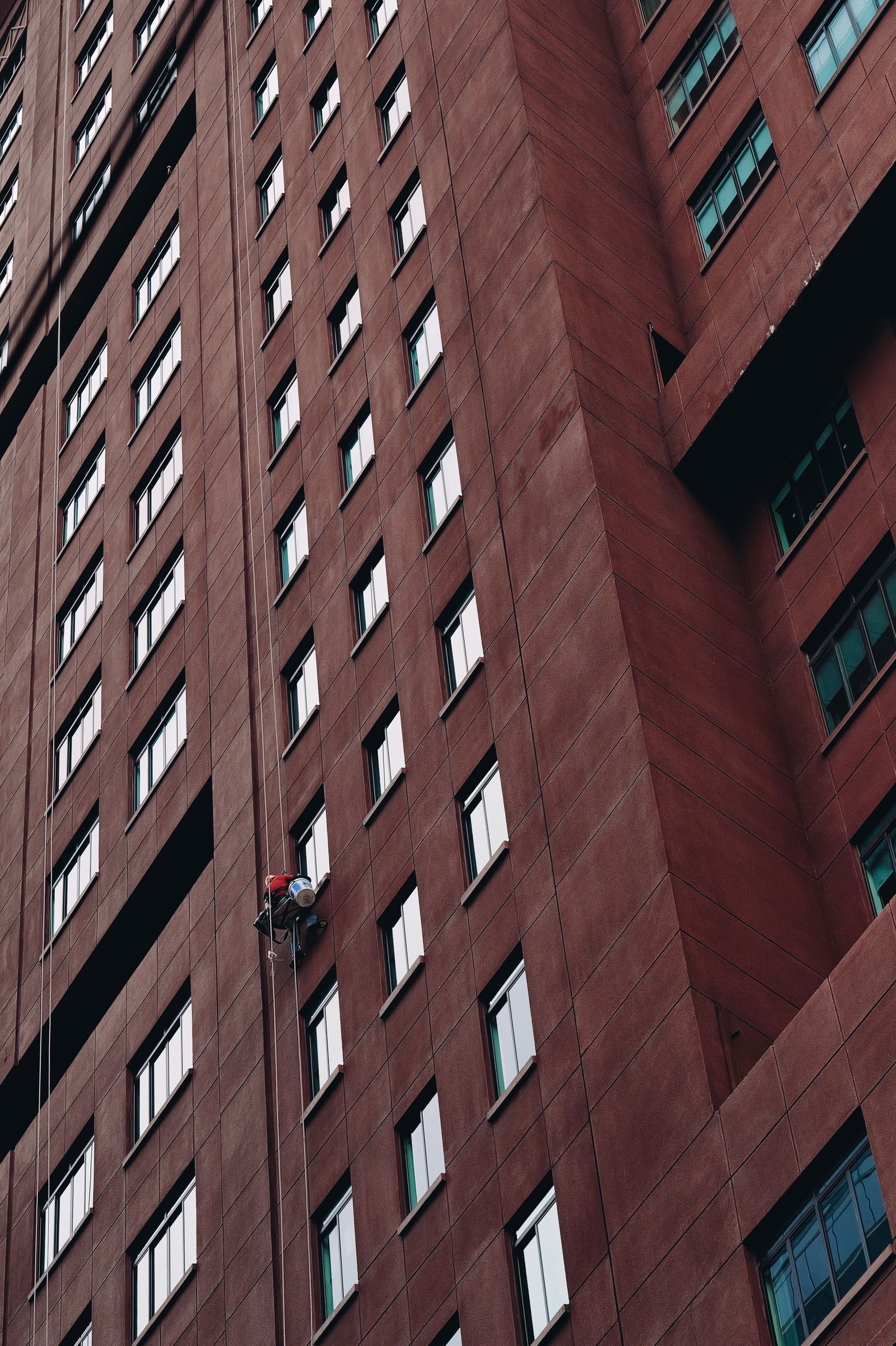
Controlled pressure can fit selected durable concrete, loading-area hardscape, curbs, and other surfaces after inspection. It can help with loose soil and certain hardscape films when the force, nozzle, distance, flow, drainage, and surrounding materials are appropriate. It should not be selected merely because a surface is large or because a higher number sounds more powerful. Pressure that is suitable for one concrete zone may damage mortar, stucco, EIFS, coatings, seals, older repairs, or adjacent glass and metal.
The quote should state which surfaces receive pressure, how force is controlled at the surface, how doors and openings are protected, and where water and removed soil go. Industrial or I-24 corridor properties may have dust, truck film, exhaust, oil-related residue, oxidation, or loading-area contamination that needs a separate treatment rather than a routine pressure pass. A wash is not a substitute for degreasing, corrosion treatment, paint work, roof repair, or investigation of a building-envelope problem.
Pressure also changes the operating profile. Noise, spray, hose routes, slick pavement, vehicle movement, and runoff can affect employees, customers, patients, deliveries, and neighboring tenants. A downtown sidewalk, retail drive aisle, medical drop-off, MTSU-area route, or warehouse loading bay may need barriers, spotters, phasing, and a handback check. The method must work at ground level as well as on the wall.
Murfreesboro weather changes the decision
Humidity, spring pollen, summer heat, shade, rain, and storms affect both methods. Pollen can settle on ledges, signs, awnings, glass, and equipment before rain binds it to the surface. Shaded brick may stay wet while a sunlit metal panel dries quickly. Heat can change soft-wash dwell and worker exposure. A pressure rinse can move soil toward a low point more quickly during a storm or create slick paths that remain a public concern after the equipment is moved.
Review forecast rain, wind, lightning, humidity, surface moisture, temperature, visibility, and drying time by phase. Define when work pauses and how the area is rescheduled. Gusts can change overspray and aerial feasibility. Rain can dilute chemistry and alter runoff. A dry inspection is important because wet surfaces can temporarily hide remaining deposits, streaks, oxidation, or coating failure. The calendar should follow the site conditions and the property's operating schedule.
Repeat staining also deserves a water-path review. A blocked gutter, downspout, parapet detail, irrigation head, condensation point, failed joint, or roof-edge defect may keep one elevation wet. Neither soft washing nor pressure washing repairs the source. A cleaning quote should record visible conditions that need owner, roofer, mason, plumber, irrigation, or envelope review rather than promising that a wash will prevent recurrence.
Access and runoff belong in the method comparison
A method that looks efficient from a distance can create a poor work zone. Downtown sidewalks, retail parking, medical drop-offs, MTSU-area movement, and I-24 loading lanes each affect hose routing, barriers, spotters, vehicle separation, and the sequence of elevations. Ask how primary doors stay available, how accessible routes remain usable, how equipment is protected, and what the handback standard is. A lower price that assumes an empty wall may omit the controls an occupied property actually needs.
Both methods use water and move removed soil. Review water source, expected volume, product, slope, low points, drains, landscaping, doors, air intakes, vehicles, loading areas, and neighboring property for each bid. Murfreesboro sites may drain toward curb inlets, planted beds, swales, detention features, parking ramps, or shared drive lanes. A storm inlet is not automatic authorization for discharge. Depending on the activity and site requirements, controls may include diversion, recovery, collection, reduced rinse volume, filtration, plant protection, disposal, or coordination with the responsible authority.
For aerial assistance, ask which upper elevations may use it, what ground controls are required, and what happens if wind or public movement changes. Commercial drone operations remain subject to applicable FAA rules and any needed authorizations. Aerial support can help with selected broad upper surfaces, but it does not squeegee glass, scrape bonded residue, polish mineral spotting, brush every ledge, or repair a joint. A hybrid plan is often more realistic than one method for the entire building.
Define the finish before choosing force
A facilities team should decide what success means before approving a method. A light pollen reset on an upper wall, a cleaner downtown entry, an event-ready retail frontage, a medical arrival route, an MTSU-adjacent storefront, or a warehouse loading elevation may each need a different priority. The scope should say which elevations are included, which deposits are expected to improve, what may remain after testing and drying, and which conditions fall outside routine washing.
Neither soft washing nor pressure washing automatically creates contact-cleaned glass. A rinse may leave bonded mineral spotting, etched areas, frames, or seals that need a separate contact or restoration scope. Pressure does not replace hand detail around doors, signs, canopies, louvers, and architectural features. Connecting the requested finish to the method prevents a facade rinse from being sold as window restoration or a hardscape wash from being treated as complete building cleaning.
Ask for a Murfreesboro-specific recommendation
Provide the address, photos of broad elevations and close deposits, materials, approximate height, desired finish, priority zones, prior cleaning history, preferred work window, water access, drain locations, and operating restrictions. Mention downtown, Medical Center Parkway, Stones River Mall or nearby retail, an MTSU-adjacent setting, or an I-24 and industrial corridor only when that context changes access or scheduling. Include leaks, failed sealants, coatings, mineral deposits, corrosion, or repairs that may need another professional.
Ask the provider to explain which zones fit soft washing, which fit controlled pressure, where aerial support may help, and where poles, lifts, or hand detail are needed. The proposal should connect each method to substrate and soil, state weather and runoff assumptions, describe protection and closeout, and identify exclusions. Call +1 239-351-2897, email contact@dronebuildingcleaners.com, or use the contact form to compare options and request a Murfreesboro quote.